
The Test - Future Britains
Delighted to submit my revised story 'Everyone Has One' as a standalone piece for Future Britains. Now titled 'The Test'

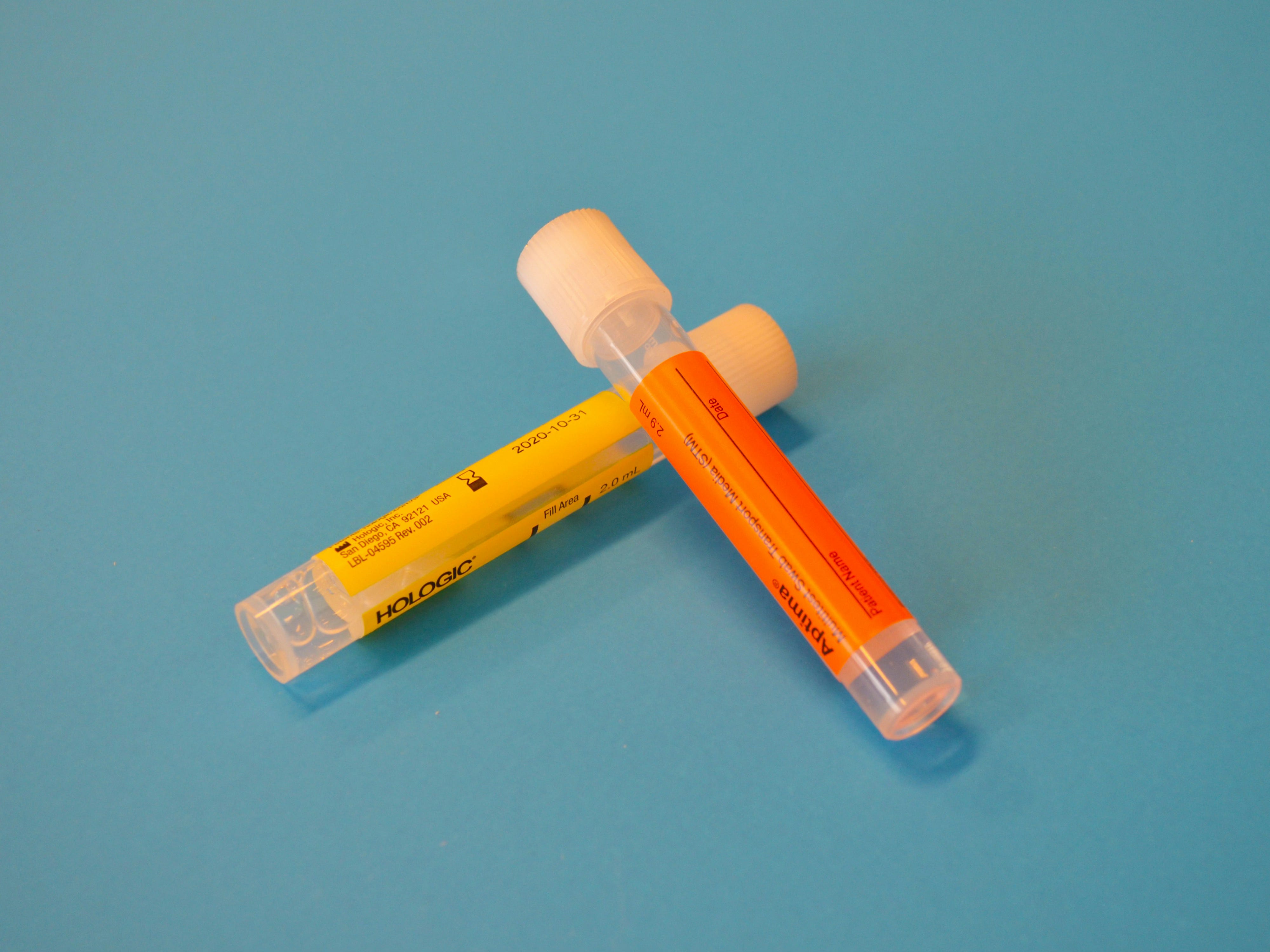
He decides to take the test two years later, on his eighteenth birthday.
The rest of his year from school didn’t wait. He’s seen the notifications ping like popcorn. He hasn’t counted, but he doesn’t think there are many shadows amongst his former classmates.
Most present the result, proudly so. Some crow, slightly less.
Naked profiles are rare nowadays. It usually means one of two things: yet to take the test, or dominant criminality.
He balls his fist thinking about the possibility. The neighbour said that only two per cent of the population—globally—are so unlucky.
Major, minor or nebulous. He’d take any. His mother has a friend of a friend whose result came back straddling the latter two: Public Toilet. She still doesn’t know what to do with it, but the council will employ her for life.
When he arrives, the queue is quiet, only three people in front.
This used to be called a chemist, he read about it on his phone. The shelves are bare now; it’s the test centre.
Two teenage boys snicker and jostle as they approach the counter, their book bags swinging around their knees. They’ve come straight from school.
‘Cars, mate. Or maybe like, making food, I dunno. What about you?’ one says to the other.
‘Something with the revenue service, you get guns, innit.’
The first nods, a serious look on his face. He slaps the second on the back as the clerk waves them forward.
The other behind them is an old woman; it surprises him. The news says that over ninety-seven per cent of adults have taken the test, citing the tax and pension benefits.
He’s not doing it for those.
The gibbering teens disappear behind one of the curtains into a cubicle, having paid with smart rings.
The old woman raises a hand, surely not a ring, and no, she drives it into her green corduroy trousers and pulls out a battered ten-pound note. The clerk handles it like a soiled rag and ushers her forward.
Before she ducks behind another curtain, to no one in particular, ‘I’m retired now. Husband thinks I may as well take the test. What harm can it do?’
He’s next and the transaction is swift. The clerk mumbles that he can expect the result on his phone in minutes.
The cubicle is dour, with three paper-thin, wobbly walls and a recessed tablet stuck into a jutting shelf.
There are reams of terms and conditions to get through. He looks for the skip button, but it’s greyed out.
On page thirty-two of thirty-four he declines the short video on the history of the test. He doesn’t need to hear about deciphering junk epigenetic markers again.
He doesn’t need to hear the lies again.
The Great Dismissal was manufactured.
At first, it was just another recession.
The government pioneered a scheme; subsidies for those that reallocated their employees.
If an employer felt someone was not up to task, they could put them back into circulation.
Overnight, seventy five percent of the UK’s workforce were redundant, laid off with faint promise of reallocation.
Everyone laid off had to provide DNA to assess relocation compatibility—nonsensical jargon.
The test results came like a flood, banishing the old world.
People say they understand the test. They lie. All that matters is that people trust the result.
The government wants the result.
It was no longer the people versus the system.
It was neighbour on neighbour. Spouse on spouse.
When people are broken and there is no hope, that lowest ebb just before it all fades to black, that is when they strike.
‘Spit,’ comes the neutral voice from the tablet.
He hesitates.
‘Spit, now,’ the tone insistent.
He gives it his best and covers the screen with as much saliva as he can muster. It’s absorbed by the membrane of the tablet and a big green tick appears.
The clerk grunts at him to vacate the cubicle, so he obliges and leaves the shop.
The temperature has dropped a few degrees; he shivers as he steps onto the street.
His phone buzzes in his pocket. He should look at the result.
But the smells of kebab and the noises from coffee shops distract him.
He decides to wait and look at his phone in the warm with a drink, but as he turns right, the old woman is standing alone.
An urge to procrastinate fights for control over him. He lets it win. He starts a conversation.
‘Happy with your result?’
‘I gave my whole life to my business.’
She didn’t hear him; he asks again.
‘Mother. It came back with Mother.’
‘And is that . . . good?’ He tucks his hands into his jeans. The old woman doesn’t seem to feel the cold at all.
‘Mind your own business.’ As she barges past, he thinks she’s crying.
The coffee shop is quiet.
Like usual, he’s prompted to choose between test-accredited espresso or hobbyist. It’s a thirty per cent difference in price.
He opts for test-accredited in the spirit of things. The taxpayer would always win.
The phone rests on his thigh as he cups the tiny thimble of black liquid, trying to generate some sort of warmth, some sort of confidence.
‘How bad can it be?’ he says softly.
The worst, as it turns out.
His ears ring as his skull fills with pressure.
He wanted a purpose, a direction in life.
The word staring back at him is a hideous dead end.
Murder.
He downs the rest of his espresso. It’s still scalding hot; his eyes water.
Everyone has a talent. No matter how subtle, obscure or niche. It’s there.
The test will find a natural aptitude.
The rest is up to him.
By Louis Urbanowski
Future Britains is an anthology featuring British Substack authors. Short stories about what awaits us as technology and society unravel in chaotic, interesting and sometimes terrifying ways. Martin Grace is the driving force behind this upcoming book. Follow for more!